

Self Adhesive Window Film or Static Cling for a Rental?
Self adhesive window film and static cling film can both change a window's appearance or solar behavior, but they are not equally convenient to remove, store or reinstall. For a rental, choose by the actual attachment method, glazing compatibility and permission to alter the window. The phrase removable does not by itself mean reusable or free of cleanup.

محتويات
Self adhesive window film and static cling film can both change a window’s appearance or solar behavior, but they are not equally convenient to remove, store or reinstall. For a rental, choose by the actual attachment method, glazing compatibility and permission to alter the window. The phrase removable does not by itself mean reusable or free of cleanup.
Start with what you want to improve: a glaring desk, an exposed bathroom window or unwanted afternoon sun. Then decide what you can reasonably leave behind or restore when you move. A product that solves the room problem but creates a difficult removal job may be a poor fit for a short tenancy.
اقرأ طريقة الإرفاق بدلاً من عنوان القائمة
Adhesive films use a mounting adhesive to bond to the appropriate surface. Static cling products attach differently and do not use the same adhesive system. Sellers sometimes describe both as stick-on films, so that casual phrase is not enough to identify what you are buying.
Look for installation and removal instructions for the exact product. If the listing shows only a roll size and a photograph of a bright room, ask for the missing information before ordering. A clear instruction sheet is more useful than a general promise that installation takes only minutes.
For example, Gila’s installation document library separates product types and removal instructions. That illustrates why instructions must match the material. It does not establish that every static cling product has the same performance or that those instructions apply to Huacheng film.
تعريف قابل للإزالة وإعادة الاستخدام بشكل منفصل
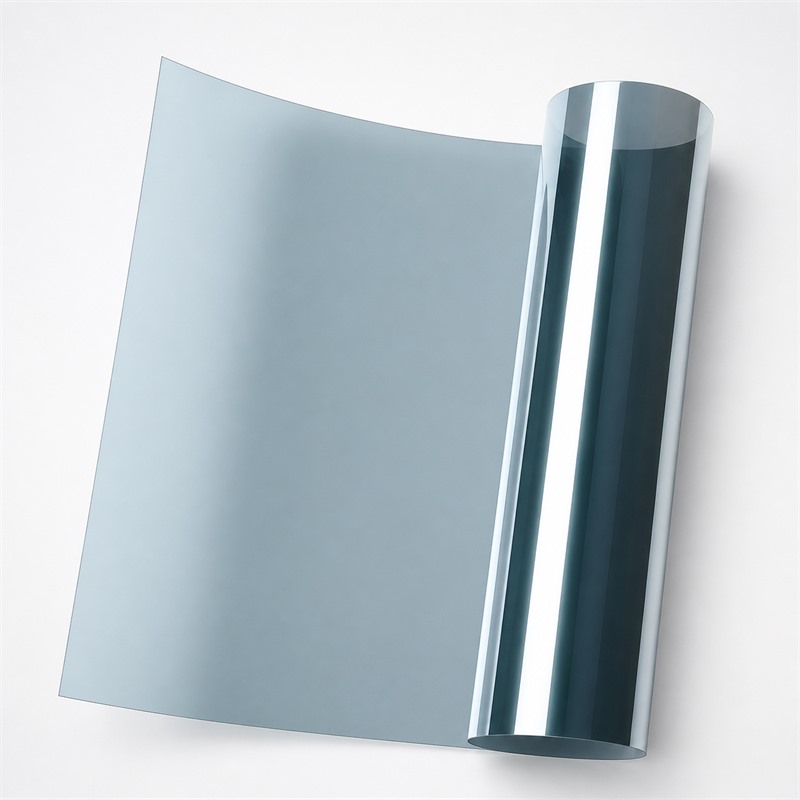
Removable means a product can be taken off under the relevant procedure. It does not guarantee that the removed sheet will keep its shape, remain clean or attach successfully again. Adhesive residue may also need attention even when the sheet itself peels away.
Reusable is a stronger practical requirement. It involves preserving a sheet through removal, storage and reapplication. Check whether the manufacturer actually supports that use and what conditions are required. Do not assume that keeping the original liner turns a single-use adhesive product into a seasonal covering.
If you expect to move soon, think about window dimensions at the next home. A carefully cut sheet may not fit another opening. Reuse can still be useful for seasonal application on the same pane, but it is less valuable if the next window is a different size or construction.
تحقق من قيود الإيجار في وقت مبكر
Review the tenancy requirements and any building rules relevant to windows or exterior appearance. Where permission is needed, obtain it for the specific treatment and restoration plan. A film can look subtle from inside while changing the appearance of a façade from the street.
Photograph the glass, frame and existing defects before work. Keep the photographs with the written agreement and product details. This is useful housekeeping: it establishes what was present before installation and what you intended to remove later.
Avoid attaching material to seals, painted trim or unknown finishes simply because the glass treatment is advertised as removable. Restoration involves every surface you touch. A frame-covering seasonal sheet and a glass-applied film can have very different consequences for paint or varnish around the opening.
قم بمطابقة وظيفة الفيلم بالغرفة
A frosted or patterned covering can obscure the view without offering the solar control you need in a hot room. A reflective solar film may reduce glare but leave privacy dependent on lighting. The attachment method tells you how the material stays on; it does not summarize all its optical functions.
For a bathroom, consider whether silhouettes or movement remain visible when indoor lights are on. For a desk, examine screen visibility and the amount of daylight left. For a living room, think about whether the view remains comfortable after sunset as well as at midday.
Do not choose an extremely dark appearance simply because you associate darkness with cooling. Solar performance depends on the film-and-glass construction. If heat is the main concern, ask for relevant solar information and compatibility rather than inferring it from a sample’s color.
قارن المقايضات العملية
| Decision point | Adhesive film question | Static cling film question |
|---|---|---|
| Length of use | Is the bonding and removal process suitable? | Is the product intended for this duration? |
| Seasonal changes | Is removal effectively a one-time step? | Does the manufacturer support reapplication? |
| Cleanup at departure | Which residue-removal method is approved? | What cleaning and storage are required? |
| مظهر | How does the installed product look on this pane? | How does this particular product look in use? |
| Solar-control goal | What is the relevant film-and-glass performance? | Is this product intended to provide that function? |
| Window suitability | Is this glazing and installation side approved? | Is this glazing and installation side approved? |
There is no universal winner in this table. A carefully selected adhesive film can suit a long period of stable use. A suitable reusable product may fit a seasonal requirement better. The useful choice is the one that meets the room goal and the restoration conditions you actually face.
لا يزال توافق الزجاج مهمًا في المنزل المؤقت
A short tenancy does not change how the glass responds to sunlight. Existing tints, low-emissivity coatings, insulating units and partial shading remain relevant. A material being easy to peel off does not automatically make its thermal behavior suitable for every pane.
Collect any available window identification and ask the property manager if records exist. If a pane has chips, cracks or persistent cloudiness within the glazing, have that assessed first. Film should not be used to hide a pre-existing maintenance problem while you hope to improve comfort.
Treat plastic glazing as its own material, too. A product intended for smooth glass may not suit acrylic or polycarbonate. The fact that the adhesive seems to grip during a small test does not establish long-term suitability, safe removal or the absence of later visual changes.
قم بإزالة الخطة بينما يسهل العثور على التعليمات
Save the product name, removal directions and purchase record before installation. Years later, a leftover offcut may be difficult to identify. Knowing the exact material helps avoid a random sequence of heat, solvents and scraping when the move-out deadline is approaching.
Ask what tools and cleaning products are compatible with the glass and any coating. An online removal video using a bare scraper is not a guarantee that the same method is suitable for your surface. The removal process must account for the window, not only the film adhesive.
Allow time to inspect and clean the window after the sheet is removed. Keep nearby finishes protected using the approved process. If the treatment was professionally installed or the glass is difficult to access, include professional removal in the original decision rather than assuming it will be a quick final chore.
فكر في التخزين قبل اختيار إعادة الاستخدام الموسمي
A removed sheet needs protection from dust, sharp folds and damage. Follow the manufacturer’s storage method, including any liner or orientation requirements. Rolling or folding it casually into a drawer can undermine the very reason you chose a reusable product.
Mark the window location on suitable packaging so that matching sheets do not become mixed. Store them somewhere appropriate for the material’s temperature and light limits. Keep installation information with the package instead of relying on memory about which face goes against the glass.
If you do not have a practical storage place, a movable blind or another compatible removable covering may be easier to manage. A solution is only convenient if its full annual routine fits the way you live, including cleaning, removal and reinstallation.
اتخذ أصغر قرار مفيد أولاً
Identify the one opening most strongly associated with the problem and assess a suitable option for it. Keep appearance expectations realistic if neighboring panes will remain untreated. A whole-home roll purchase is unnecessary before you know whether the chosen type meets the room’s needs.
Huacheng’s window insulation film can be evaluated with those needs and constraints clearly stated. Ask about its attachment method, intended surface and removal requirements rather than assuming it behaves like a different rental product you have used before.
When the treatment is selected, keep a short record of the room goal and restoration plan. That makes it easier to judge success while you live there and to complete removal properly when you leave. Temporary occupancy still deserves a solution planned around the whole experience.
Tell Huacheng your tenancy length, glass type and main room problem so attachment, solar performance and eventual removal can be considered together.
الأسئلة المتداولة
هل فيلم النافذة ذاتي اللصق مناسب للمستأجرين؟
قد يكون مناسبًا عندما يكون الزجاج متوافقًا، ويسمح الإيجار بالمعالجة وتكون عملية الإزالة مقبولة. تحقق من تلك النقاط لمعرفة المنتج الدقيق. لا يعد الملحق اللاصق غير مؤهل تلقائيًا، ولكنه قد يتضمن التنظيف عند الإزالة.
هل الفيلم القابل للإزالة لا يترك أي بقايا دائمًا؟
رقم: "قابل للإزالة" يصف إمكانية خلعه بموجب الإجراء المحدد، وليس وعدًا عالميًا بعدم وجود أي بقايا. اقرأ تعليمات الإزالة الفعلية وفكر في السطح الزجاجي والوقت الذي يقضيه في الخدمة.
هل يمكنني إعادة استخدام الفيلم اللاصق بعد النقل؟
لا تفترض ذلك. يمكن أن تؤدي الإزالة إلى إتلاف الورقة أو تلويث المادة اللاصقة الخاصة بها، وقد لا تناسب النافذة التالية. تحتاج إعادة التطبيق إلى دعم واضح للمنتج بدلاً من ادعاء عام بإمكانية إزالة الفيلم.
هل سيعطي فيلم التشبث الثابت الخصوصية في الليل؟
يعتمد ذلك على تصميمه البصري، وليس مجرد طريقة إرفاقه. يمكن أن تتغير الخصوصية العاكسة عندما تكون الإضاءة الداخلية أكثر سطوعًا من الإضاءة الخارجية. اختبر المظهر المقصود تحت الإضاءة ذات الصلة واختر منتجًا مصممًا للخصوصية التي تحتاجها.
هل يمكنني وضع أي فيلم مؤقت على الزجاج المزدوج؟
Temporary use does not remove compatibility requirements. Check the film against the actual glazing construction, existing coatings and exposure. Easy removal and suitable thermal behavior are separate questions.