

Is Aerogel Waterproof? What Water Beading Really Tells You
Some silica aerogels repel liquid water, but that does not make every aerogel product a waterproof barrier. Water can still enter through gaps, damaged edges, binders, joints or the surrounding construction. A drop sitting on a sample shows something about its surface. It does not prove that a roof, wall or coating will stop a leak.

Contents
Some silica aerogels repel liquid water, but that does not make every aerogel product a waterproof barrier. Water can still enter through gaps, damaged edges, binders, joints or the surrounding construction. A drop sitting on a sample shows something about its surface. It does not prove that a roof, wall or coating will stop a leak.
The useful distinction is between a material that resists getting wet and an assembly that prevents water passing through. If you are choosing insulation for a damp location, you need to understand both. If you are trying to stop rain entering a building, start with the waterproofing system rather than expecting the insulation ingredient to perform that job by itself.
Start with the sample you are actually looking at
Aerogel is a family of highly porous materials, rather than one finished product. A rigid silica sample, a loose powder, a paste and a reinforced insulation blanket can all contain aerogel while behaving differently around water. Their composition and the way they are assembled matter.
In silica aerogel, the surface can be modified to reduce its attraction to liquid water. This is the basis of the word hydrophobic, described in Aerogel.org’s explanation of surface functionalization. Untreated and differently treated materials should not be assumed to behave alike. Other kinds of aerogel also exist, so a video showing one unusual sample cannot establish a property for the entire family.
Check the label and the actual technical description. Does it refer to powder as supplied, a dry coating, a finished panel or the insulation system after installation? If the answer is unclear, a claim about water resistance may be applied to the wrong part of the product. The most useful specification identifies the tested form and the test conditions.
Water beading is a surface observation
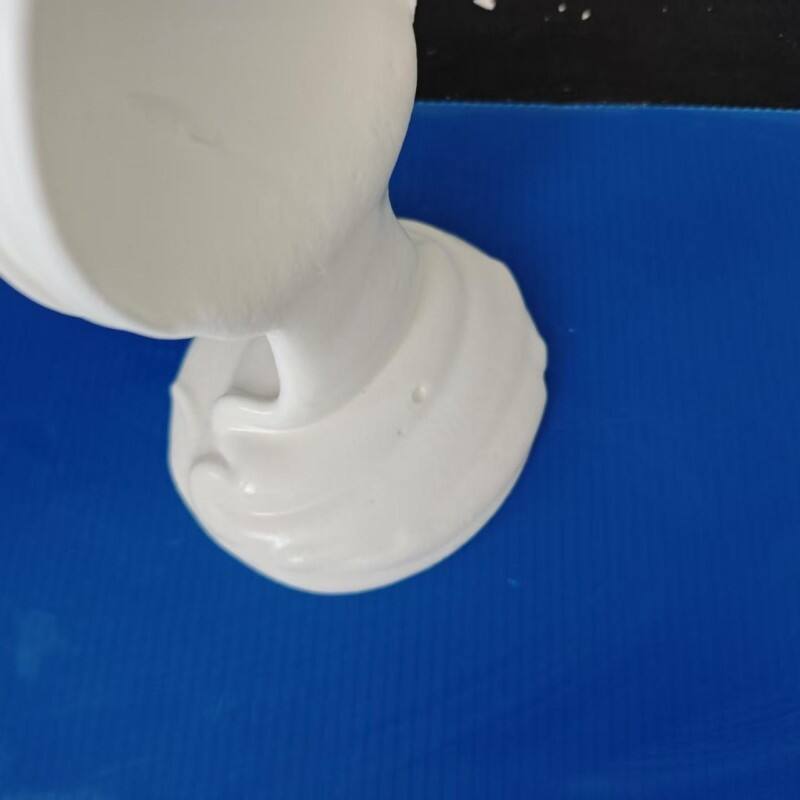
When a droplet beads up, its shape reflects the interaction between that liquid and the surface beneath it. This can be useful evidence of water repellency. It is also a very limited test: the drop may sit there briefly, without pressure, and without touching a joint or a damaged area.
A real roof can hold water for a much longer time. Wind can drive rain toward an edge. A wall can have cracks, fixings and transitions to other materials. None of those routes is represented by a neat drop resting on the middle of a small sample.
For the same reason, an impressive droplet photograph does not tell you the depth of water a material can resist or how it behaves after aging. Those questions need tests designed around the intended exposure. Treat the image as an illustration of a surface effect, rather than a substitute for information about the complete installation.
Liquid water, water vapor and condensation take different routes
Liquid water is the rain, splash or leak you can see. Water vapor is moisture carried in air. Condensation occurs when conditions allow that vapor to become liquid on a sufficiently cold surface. A material may repel droplets while still allowing vapor to move through parts of its structure.
This matters behind a wall finish. An insulation layer may stay relatively resistant to liquid uptake, yet moisture can still collect on a cold neighboring surface. A metal fixing can remain colder than the insulated area. A small air leak can carry moist indoor air into a cavity. The fact that one ingredient is hydrophobic does not remove these pathways.
If your problem is recurring condensation, look for the moisture source and the cold location. Bathroom humidity, unvented drying, air leakage and cold bridges can all matter. Adding insulation may change surface temperatures, but the result depends on coverage and the whole wall or roof arrangement. Do not diagnose condensation by a material name alone.
Four claims that sound similar but answer different questions
| Claim | What it can describe | What still needs checking |
|---|---|---|
| Hydrophobic aerogel | Liquid water is less attracted to the treated material | Finished-product absorption, joints and exposure |
| Water-resistant coating | A specified coating tolerates a stated water exposure | Whether it is approved as a waterproofing layer |
| Vapor-permeable insulation | Moisture vapor can move through the product under stated conditions | Where that moisture goes in the assembly |
| Waterproof system | A complete arrangement resists water passage for its intended use | Drains, seams, movement and installation details |
The table is especially useful when comparing two descriptions of the same product. A supplier might correctly describe its aerogel ingredient as hydrophobic and its finished coating as vapor permeable. Neither statement, on its own, answers whether the coating is suitable inside a shower or under standing water.
Ask for the claim that matches your problem. For splash exposure, water uptake may be relevant. For a roof leak, continuity and resistance to water passage matter. For a cold wall, moisture movement and surface temperature are part of the assessment. These questions should remain separate even when one product addresses more than one of them.
What changes when powder becomes a paste or coating
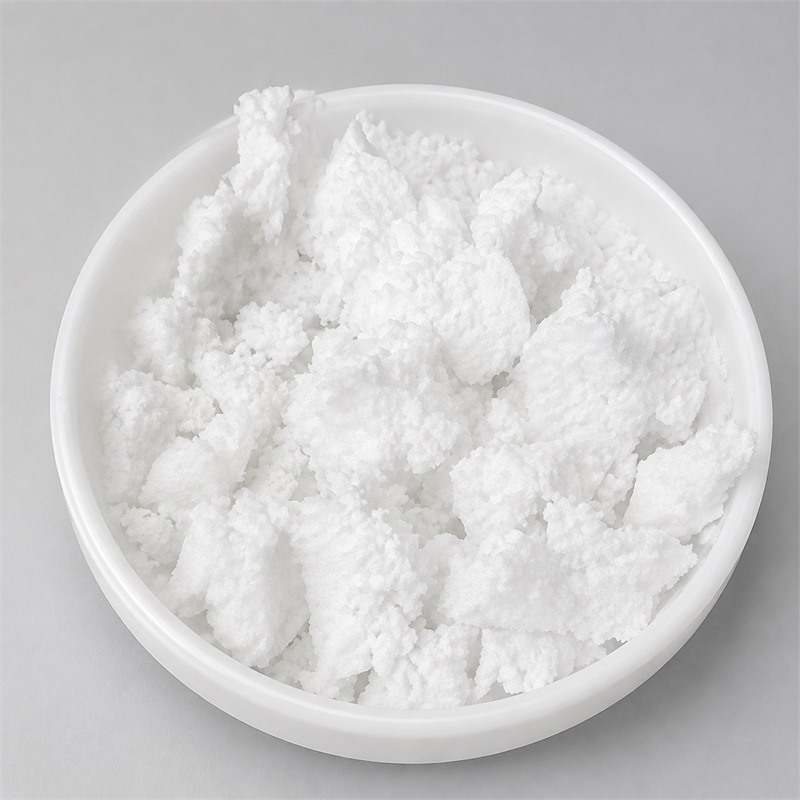
Loose aerogel powder needs other ingredients if it is to form a coating that stays on a wall. Binders, fillers and additives influence adhesion, flexibility, drying and water response. The properties of the original powder cannot simply be copied onto the finished film.
Water-based formulations create another common point of confusion. A paste containing water during manufacture is not automatically the opposite of a hydrophobic dry material. Its wet handling and its final dried structure are different stages. Conversely, a water-repellent powder does not guarantee that every water-based mixture containing it will dry into a water-repellent coating.
Read properties with those stages in mind. If a conductivity value applies after drying, it should not be used as a statement about the wet paste. If water repellency is said to return after drying, ask how that was checked on the finished product. Clear stage descriptions are more useful than a broad promise that the material resists everything.
A damp wall needs a source check before insulation
Suppose a wall is wet after heavy rain. Water might be entering through a flashing, a crack, a blocked gutter or a poorly sealed opening. Covering the inner face with an insulating finish can conceal the symptom without resolving that route. The wall may remain wet behind the new layer.
Now suppose the same wall is dry during rain but develops surface moisture on cold mornings. Indoor humidity and a cold surface become more plausible explanations. The investigation is different, and the appropriate sequence of work may be different too. Note when the patch appears, where it begins and whether nearby surfaces are affected.
Use photographs and a simple timeline before applying a new finish. If a leak is active, repair and drying may need to come first. If the source is uncertain, a building professional can help distinguish water entry from condensation. The purpose is to avoid turning a visible, understandable problem into a hidden one.
If an aerogel-containing product gets wet
Begin with the manufacturer’s handling and recovery guidance for that exact product. Some products may tolerate incidental wetting and dry successfully. Others may have binders, facings or neighboring layers that are affected even when the aerogel itself retains water-repellent behavior. Do not assume identical recovery from the shared ingredient.
Check whether water reached only the surface or entered the assembly. A wet external jacket around pipe insulation, for example, is different from a droplet on an exposed dry sample. Water trapped against metal can remain important even if the insulation material has low uptake. The surrounding layers deserve inspection too.
Avoid aggressive heating, solvents or improvised treatments intended to restore hydrophobicity. Those methods may damage a binder or create other problems. Record the event, allow access for assessment and use the specified drying or replacement procedure. Handling loose powder should also follow the product safety data sheet rather than a home demonstration.
Read the water evidence without becoming a materials specialist
You can narrow the decision with a short set of plain questions. What product was tested? Was it dry and fully cured? Was the exposure a droplet, immersion, spray or pressure? How long did the test last? Were joints and edges included? These questions expose the biggest gaps without requiring you to interpret every laboratory method.
Huacheng lists aerogel powder, paste and coating as separate formats. Keep those formats separate when comparing data. A powder ingredient, an application-ready paste and a cured surface should each be judged in the state relevant to its use.
If the main purpose is water exclusion, ask about the waterproofing layer as well as the insulation. If the main purpose is thermal comfort, ask how moisture is managed around the insulation. That combination gives a much clearer answer than treating the phrase waterproof aerogel as a complete description of a building solution.
Share the location, the source of moisture and the material format you are considering. The form below can help start a discussion about insulation and water management together.
Frequently asked questions
Is aerogel waterproof in every form?
No. Composition, surface treatment and the finished-product design all affect water behavior. Hydrophobic silica aerogel is one specific case within a wider family of materials.
Can aerogel replace a bathroom waterproof membrane?
An aerogel ingredient alone is not a bathroom membrane. Use a complete waterproofing system with suitability established for the specific wet-area construction and details.
Does hydrophobic mean moisture cannot get behind it?
No. Water can bypass a material through gaps or joints, and vapor can reach colder surfaces elsewhere. Water repellency at the material surface does not establish continuity of the assembly.
Why can an aerogel paste contain water?
The wet formulation and the final dry material are different stages. Water can be part of processing or application. Check the properties specified for each stage instead of assuming that they are identical.
What is the simplest way to compare two products?
Compare finished products intended for the same exposure, using equivalent test descriptions. Separate water uptake, vapor behavior and waterproofing performance so that one attractive result does not hide an unanswered question.