

Radiative Cooling Paint on a Shaded Roof: Will It Still Help?
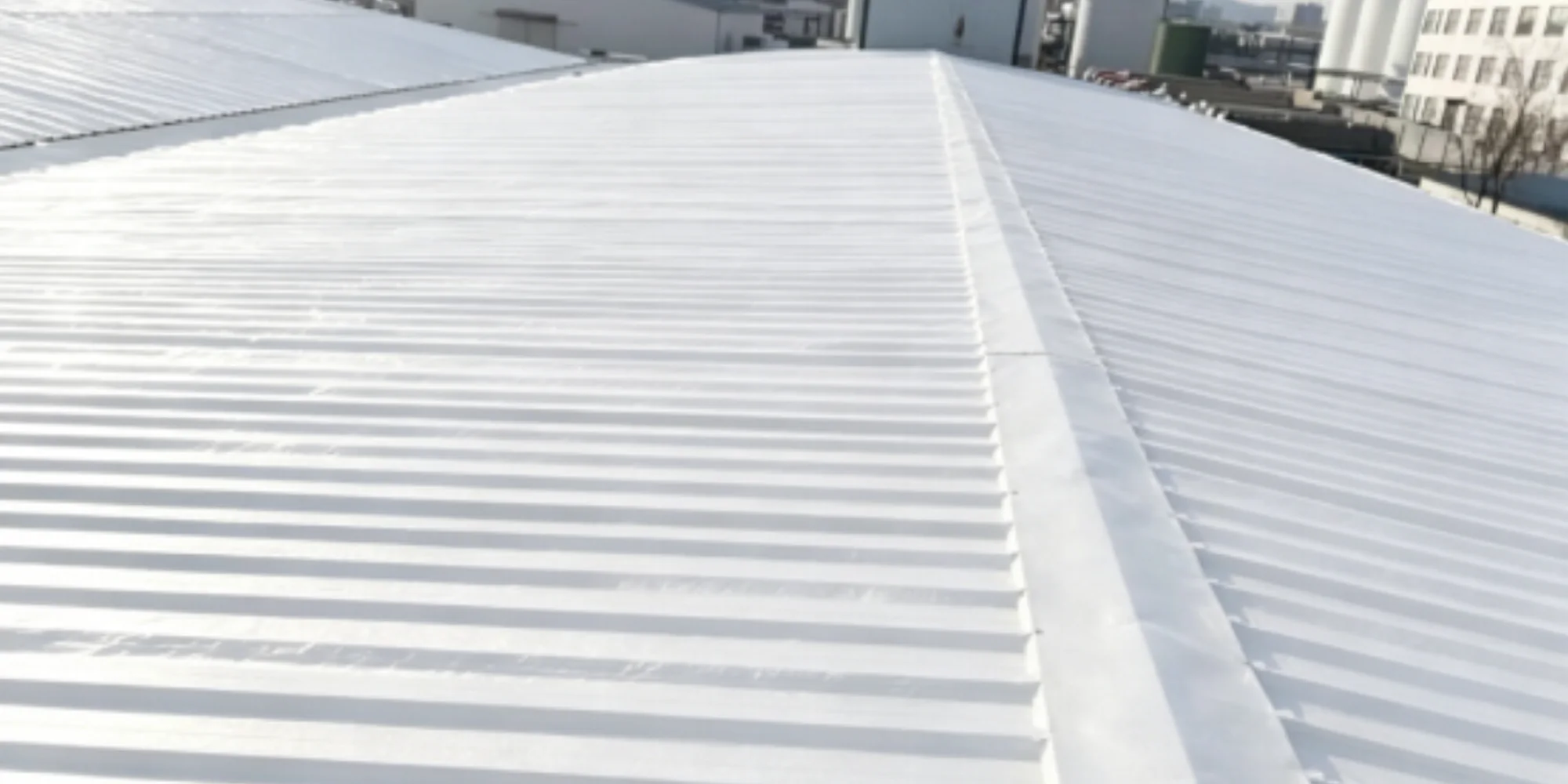
Radiative cooling paint can release heat without direct sunlight, but a shaded roof usually has less solar heat to reject in the first place. Its benefit depends on what creates the shade, how much open sky the roof can see, and how easily heat moves between the roof and the rooms below. A roof under trees needs a different assessment from a roof under a solid canopy.
Contents
Radiative cooling paint can release heat without direct sunlight, but a shaded roof usually has less solar heat to reject in the first place. Its benefit depends on what creates the shade, how much open sky the roof can see, and how easily heat moves between the roof and the rooms below. A roof under trees needs a different assessment from a roof under a solid canopy.
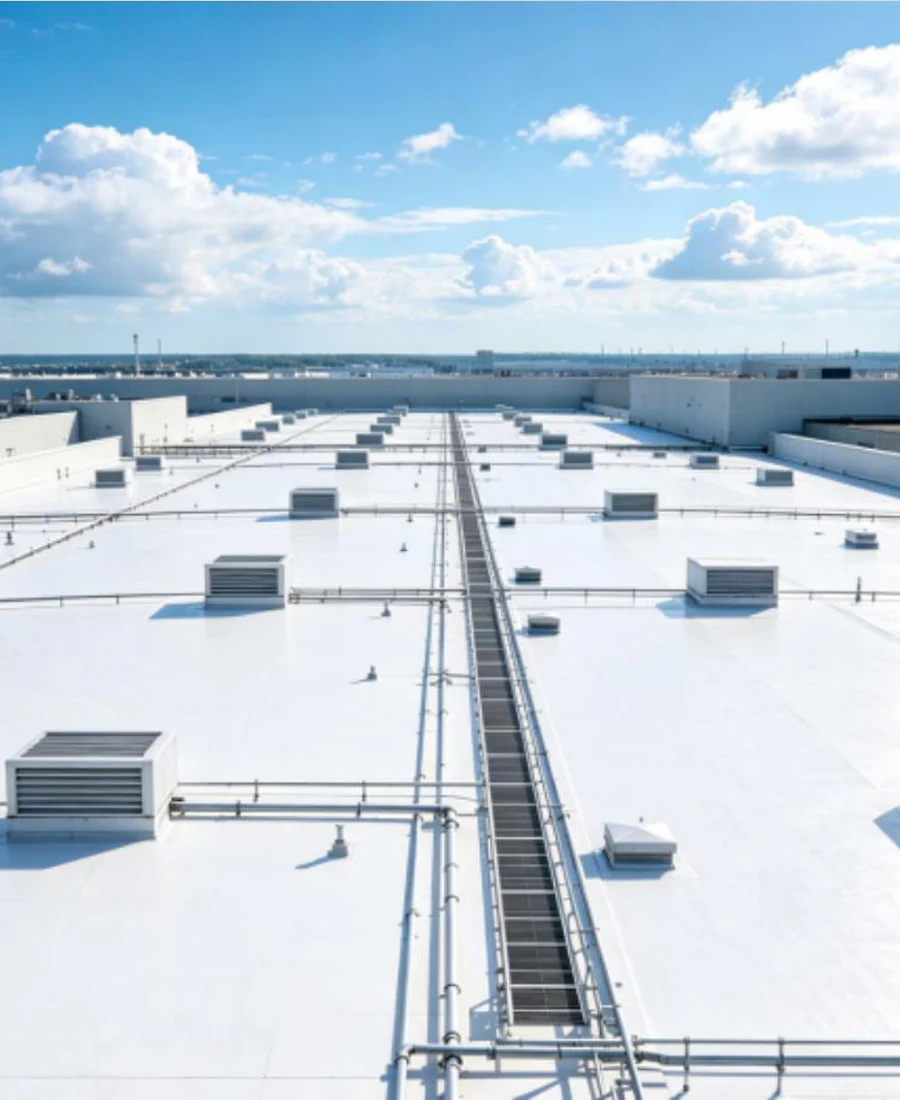
For a partly shaded home, start with the roof areas that receive the strongest afternoon sun. A cooler surface there may reduce heat entering the building. Painting an already cool, deeply shaded area is less likely to produce the change you notice indoors. No paint can promise the same temperature reduction on every roof.
Follow the heat before choosing the paint
A roof warms when it takes in more heat than it loses. Sunlight is one source, but warm air, nearby walls, and the building beneath the roof also exchange heat with it. Reflective paint reduces incoming solar energy. A surface with high thermal emittance can also release energy as infrared radiation.
These processes explain why a coating may have something useful to do in light shade, yet offer little extra comfort beneath a permanent shelter. The question is how much heat the roof was receiving before treatment. A roof that remains close to the outdoor air temperature throughout the afternoon has less excess surface heat to remove than a dark roof in full sun.
The US Department of Energy’s Guide to Cool Roofs describes solar reflectance and thermal emittance as the two properties that determine roof coolness. Neither property, by itself, tells you how much the temperature in a bedroom will change.
Shade and a clear view of the sky are different things
Imagine standing on the roof and looking upward. Under an open-sided structure with a solid roof, you see the underside of that structure. Under scattered tree branches, you see leaves and some patches of sky. Beside a taller neighboring building, one part of the sky may remain open even when the roof receives no direct sun.
That view matters because the painted surface exchanges infrared energy with whatever surrounds it. A warm canopy or nearby wall can send radiation back toward the roof. Open sky offers a different radiative environment. Therefore, two roofs with similar shade at noon may behave differently after sunset or when clouds arrive.
You do not need to calculate a sky-view factor to make a first decision. Take a photograph looking upward from a safe ground-level viewpoint that represents the roof location. Record whether the main obstruction is a solid cover, dense vegetation, another building, or a narrow strip of roof overhang. This observation is more useful than describing every shaded roof as the same situation.
What to expect in four common roof settings
| Roof setting | Where a coating may help | What limits the result |
|---|---|---|
| Full afternoon sun with open sky | Reducing solar heat absorbed by the exposed surface | Existing insulation and the rest of the house still affect comfort |
| Morning shade followed by afternoon sun | Treating the period when solar heat is strongest | A morning-only inspection misses the main heat load |
| Dense tree cover | Exposed gaps may respond differently from covered sections | Leaves, debris, moisture and restricted sky view complicate performance |
| Permanent solid canopy | Any remaining exposed roof areas may benefit | The canopy already intercepts much of the sunlight |
Use this table to decide where to look, rather than to assign a guaranteed saving. A roof divided into sunny and shaded sections can often be assessed section by section. The same coating does not need to be equally valuable everywhere for an application to make sense.
A carport attached to a house is a useful example. Its outer edge may receive strong late-afternoon sunlight, while the part tucked under another roof stays shaded all day. Treating both areas may create a uniform finish, but the thermal reason for treatment is strongest at the exposed edge. Appearance and heat reduction are separate reasons for doing the work.
Why a cooler roof may leave the room feeling much the same
Roof surface temperature is only one step in a longer path. Heat must pass through roofing layers, an air space or attic, insulation, and the ceiling before it affects the occupied room. Air leaks, large west-facing windows, appliances and people add other heat sources along that path.
If a well-insulated roof already slows heat transfer effectively, a further drop in its outer surface temperature may produce only a modest indoor change. Conversely, a lightly insulated top-floor room may be more sensitive to roof heat. This does not make one observation wrong. It means the surface and the room are measuring different parts of the building.
Before spending money on paint, notice the timing of discomfort. A room that overheats only when sunlight crosses a large window may need shading at the glass. A room that stays hot well into the evening may be affected by stored heat and weak night ventilation. A room that feels stuffy while its temperature remains reasonable may have an air movement problem.
Check the afternoon, the evening and the weather
For several representative days, note the outdoor conditions and the hours when the room becomes uncomfortable. Keep track of whether the air conditioner was running, windows were open, and curtains were drawn. A simple diary makes the problem easier to interpret without pretending that a household observation is a laboratory test.
Compare sunny and cloudy periods cautiously. Clouds change both incoming sunlight and the radiative environment above the roof. Wind alters heat exchange with the air. A surface measured after a brief shower also benefits from water and evaporation, so it is a poor comparison with a dry roof on another day.
If you use an infrared thermometer, follow its instructions and compare like surfaces under similar conditions. Shiny materials can give misleading readings because the instrument may detect reflected radiation. Avoid treating a single handheld reading as proof that the entire roof or room has cooled by the same amount. You can learn a great deal from consistent observations without attaching false precision to them.
A roof coating still needs a sound roof
Look for the cause of leaks, loose material and standing water before choosing a cooling finish. A thermal coating and a complete waterproofing system may have different jobs. Applying white material over a failed seam does not automatically restore that seam, and a highly reflective surface can still sit above wet insulation.
Tree-shaded roofs deserve particular attention to leaves and drainage. Organic debris can hold moisture and hide damage near outlets. Cleaning needs to suit the roof material and the access arrangements. Avoid scraping, pressure washing or using aggressive cleaners simply because a surface appears dirty. The wrong cleaning method can damage an otherwise serviceable roof.
Existing finishes also matter. A coating must adhere to the actual roof, including any previous paint, sealant or membrane. Ask for a compatibility check when the original material is uncertain. Do not assume a product intended for one substrate is suitable for every tile, shingle or flexible sheet. Work at height should be handled with an appropriate access plan.
Compare the alternatives against the same problem
On a sunny exposed roof, a suitable cooling coating may address heat absorption directly. Under a solid canopy, maintaining ventilation and checking the canopy’s own thermal behavior may be more relevant. Near a hot west-facing wall, exterior shading could intercept heat before it reaches the roof edge or window.
Insulation tackles heat moving through the roof assembly. Air sealing addresses unwanted air exchange through gaps. A cooling surface changes the energy balance outside. These measures can complement each other, but they should not be compared as though they were identical products with different names.
For a rented property, permanent roof work may also be less practical than reversible shading inside the dwelling. For an owner already repairing an exposed roof, adding a compatible cooling finish could be easier to consider during that work. The sensible sequence depends on the problem and the condition of the building, rather than on a dramatic temperature claim.
Make the decision with three observations
First, identify the hours of direct sunlight on the roof. Second, describe the obstruction above it. Third, check whether the room’s discomfort follows roof heating or another source. These observations narrow the choice more effectively than asking whether radiative cooling paint works in shade as a universal yes-or-no question.
Ask to see evidence for the exact coating, substrate and exposure you are considering. A roof-surface comparison from an open sunny site cannot establish the result beneath dense trees. Equally, a small difference on a cloudy day does not establish that an exposed dark roof would gain nothing during hot weather.
Huacheng’s radiative cooling coating is one format within its cooling range. When discussing a shaded roof, share photographs, roof material and the times it receives sun. Those details help determine whether a coating is worth investigating or whether another part of the building deserves attention first.
Tell us where the roof gets hot and what shades it. Use the form below to discuss whether a cooling finish fits that particular situation.
Frequently asked questions
Does radiative cooling paint need direct sun to function?
The heat-emitting mechanism does not require direct sunlight. However, the benefit of reflecting sunlight is smaller when little sunlight reaches the roof. Surroundings and sky exposure still influence heat exchange.
Is a white roof always cooler than the outdoor air?
No. Its temperature depends on sunlight, wind, cloud, humidity, nearby surfaces and heat coming from the building. White appearance alone does not establish below-air-temperature performance.
Can I paint only the sunny part of my roof?
Possibly, if the roof system and coating instructions permit it. Check how the treated area meets existing finishes and waterproofing details. Thermal benefit and a uniform appearance may favor different boundaries.
Will cutting back a tree improve radiative cooling?
Opening the sky view can also expose the roof to more sunlight. The net result depends on the site. Consider the shade and other benefits the tree already provides before changing it for a coating.
What should I send when asking about my roof?
Send the roof material, safe photographs, the approximate sunny hours and a description of the indoor problem. Include existing leaks or previous coatings so compatibility and repair needs can be considered together.